During my tutorial with Chole and Samantha, I received very helpful feedback on my SIP project. They confirmed that the project has potential, but I also realised that it needs to move further towards an ethical fine art practice. The work should not only aim to “look like” an animal, but should also express my perspective, emotional judgement and values as an artist. I need to develop the project in two main areas: form and material ethics.
In terms of form, I need to move away from purely realistic imitation and develop a more artistic language. The work should not simply copy an animal’s appearance, but use posture, structure, material and setting to express how I understand animal lives.
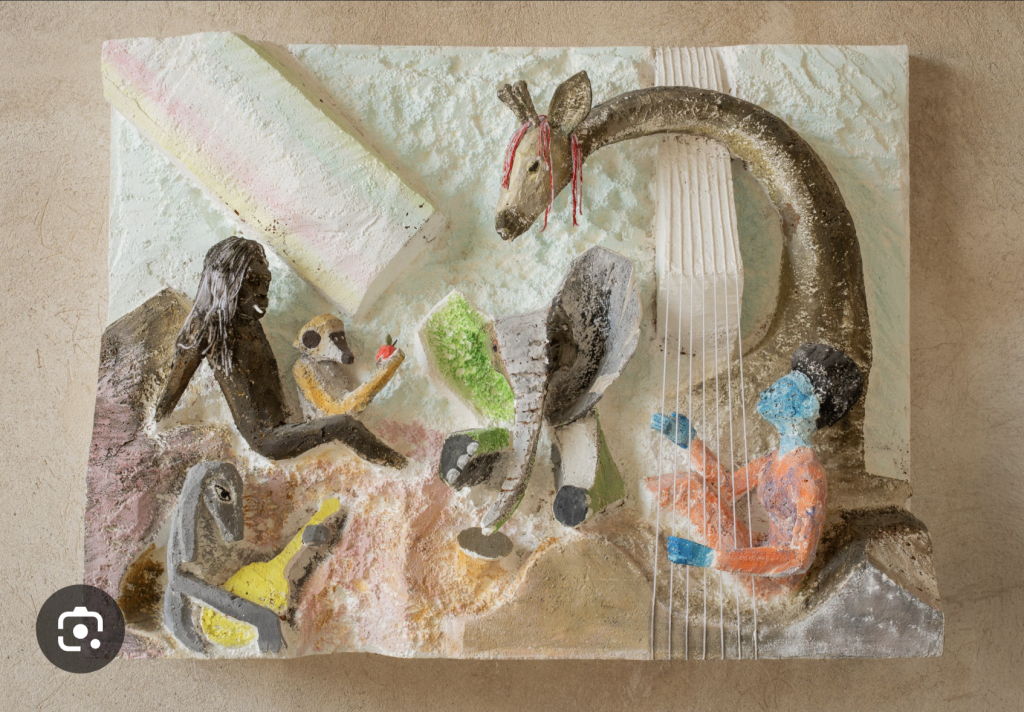
Lin May Saeed’s work inspired me to see animals as “beings in their own right”, rather than symbols of human emotion or extensions of human ownership. Her work made me realise that I do not have to make a pet that looks exactly like a photograph. Instead, I can give the animal an action, a position or a narrative setting, so the work can move from a single pet replica to a more meaningful animal scene.
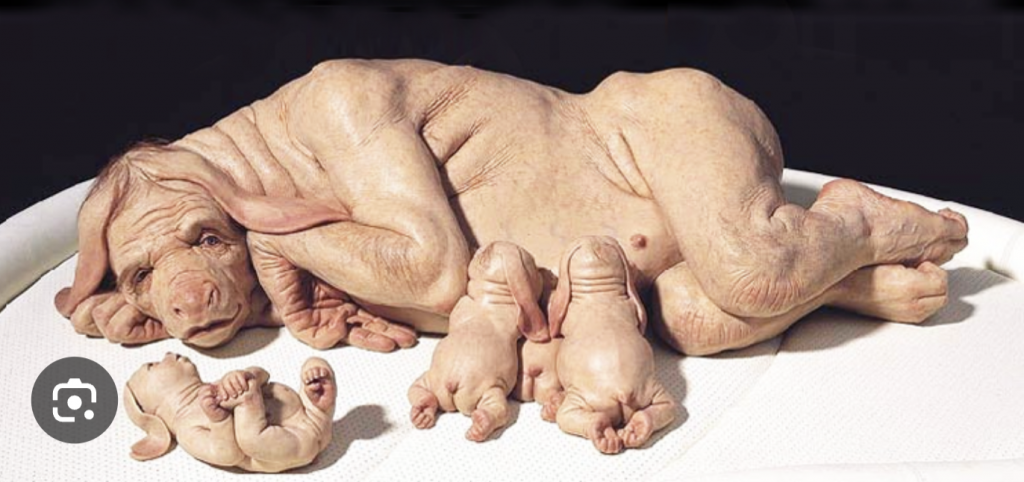
Patricia Piccinini made me think about whether imperfect, unfamiliar or vulnerable lives can create stronger empathy and care. For my project, this means I do not need to over-beautify stray animals. I can keep their thinness, alertness, scars and imperfections, because these are also part of their lived experience.
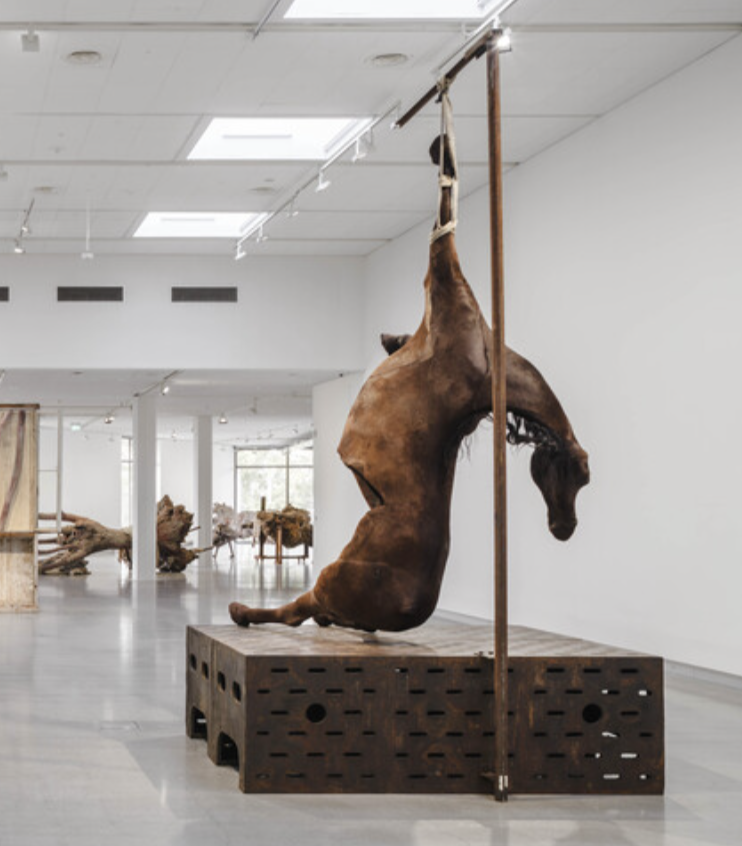
Berlinde De Bruyckere’s work helped me think about bodies, pain and traces. She often uses materials such as wax, animal skins, hair and textiles to create distorted, fragile forms that feel like bodily remains. Her work made me realise that memorial does not always mean revival or complete reconstruction. It can also mean acknowledging pain, preserving traces and proving that a life truly existed.
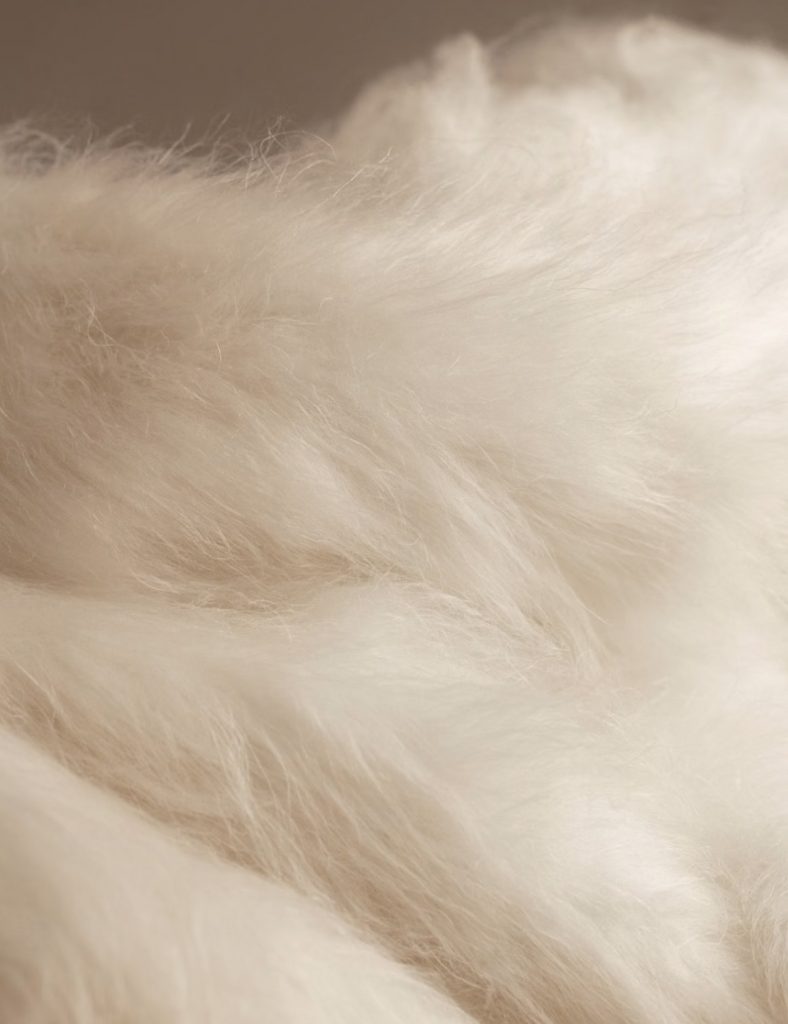
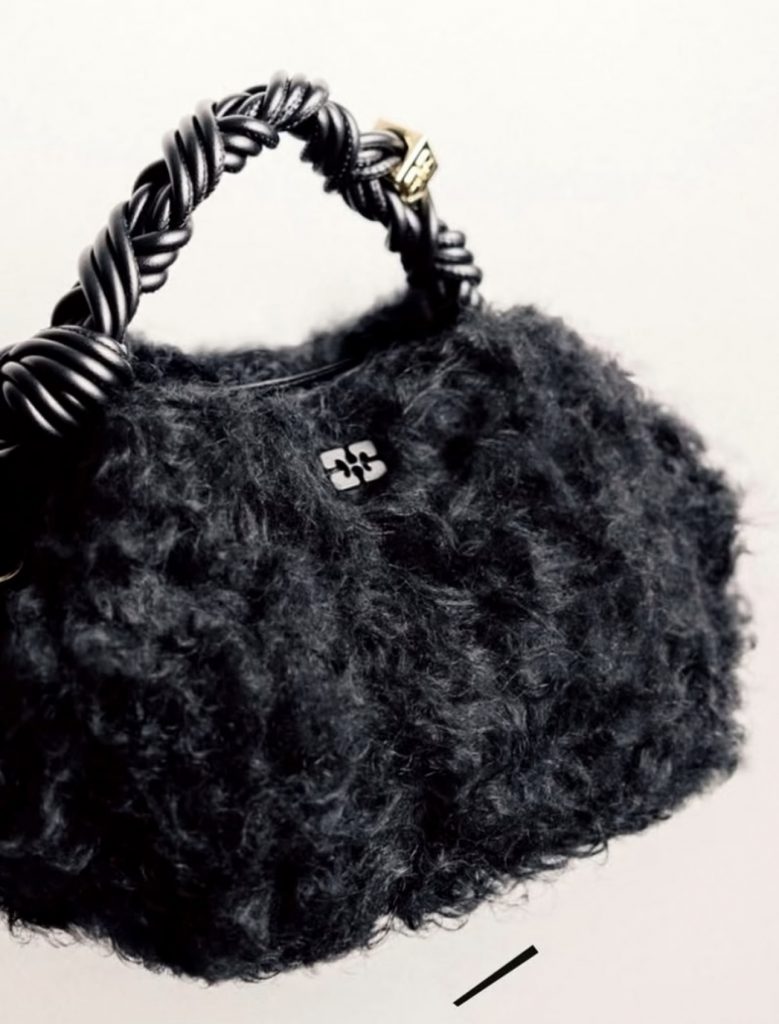
In terms of material, I need to reflect on my previous use of artificial fur. Although artificial fur avoids the animal ethics problem of real fur, it can still cause environmental harm and conflict with the sustainability values of my project. In the future, I hope to reduce synthetic materials and explore more suitable material choices.
Naturally collected animal hair is an important direction. It is not only more environmentally friendly, but also carries body, scent, memory and intimacy. Especially in pet memorial works, hair can become a real trace of an animal’s existence.
I also want to research plant-based leather, bamboo fibre, mango-based materials and other sustainable alternatives. Savian / BioFluff’s plant-based fur material has also inspired me. Made from natural fibres such as flax and agricultural waste, it aims to create a biodegradable fur alternative with a soft, luxurious texture and a lower carbon footprint. This showed me that sustainable materials do not have to feel rough or cheap. They can also be soft, intimate and close to luxury textiles.
In conclusion, this tutorial helped me see more clearly that my SIP should not remain a pet memorial product. It should develop into an art project about small lives, memory, material care and ethical practice. My aim is not only to make animals look alive, but to prove that they once lived fully and vividly.
Leave a Reply