My internship at UCCA is located in the 798 Art District, the most influential art community in Beijing and China. The area is filled with galleries, which updating many exhibitions in high quality. I realized that the value of an internship goes far beyond daily work; the surrounding art resources are a treasure that must be actively explored.
Therefore, since January, I have started a habit: using 30 minutes of my lunch break each day to visit one exhibition. These works have not only enriched my inspiration but also made me think about the boundaries of artistic creation.
UCCA: Yang Fudong, Fragrant River
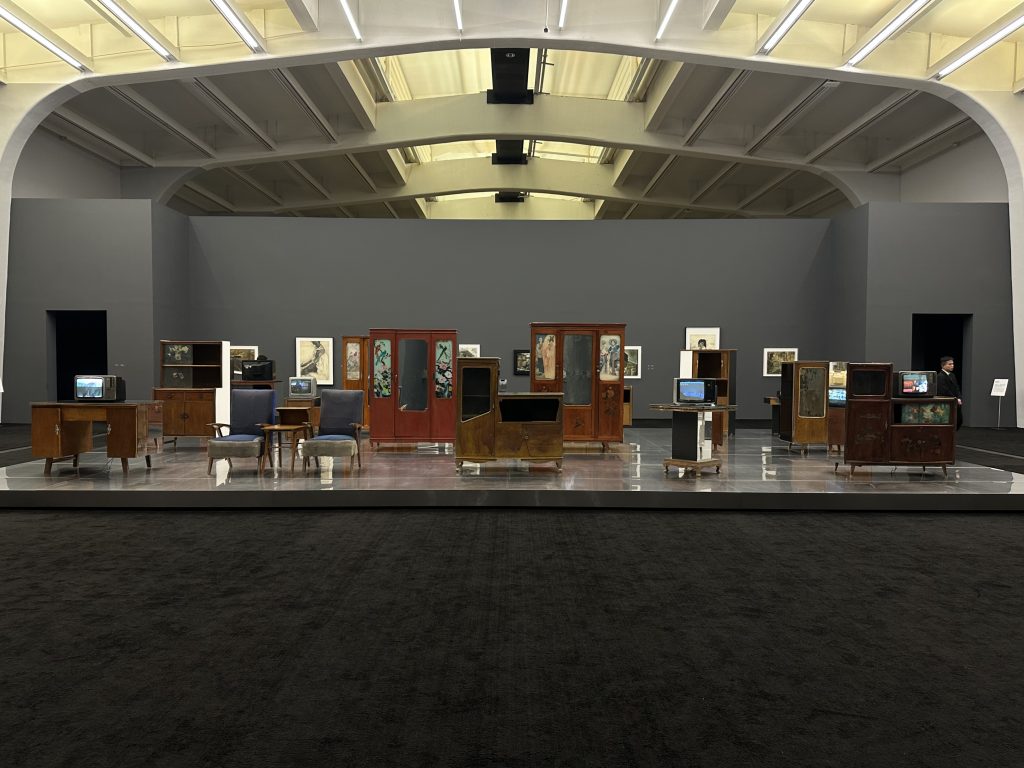
Named after the artist’s hometown village, this exhibition is a reconstruction of nostalgia and collective memory. There is no set route or linear plot. Instead, the space is filled with old objects, vintage videos, and fragmented sounds.
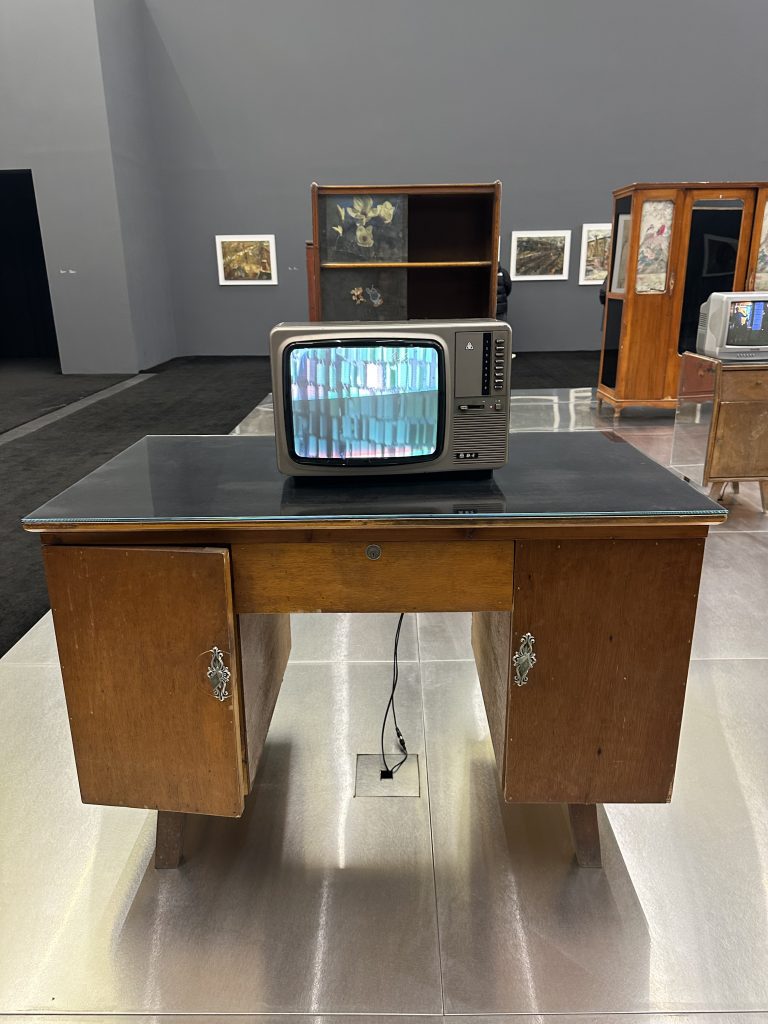
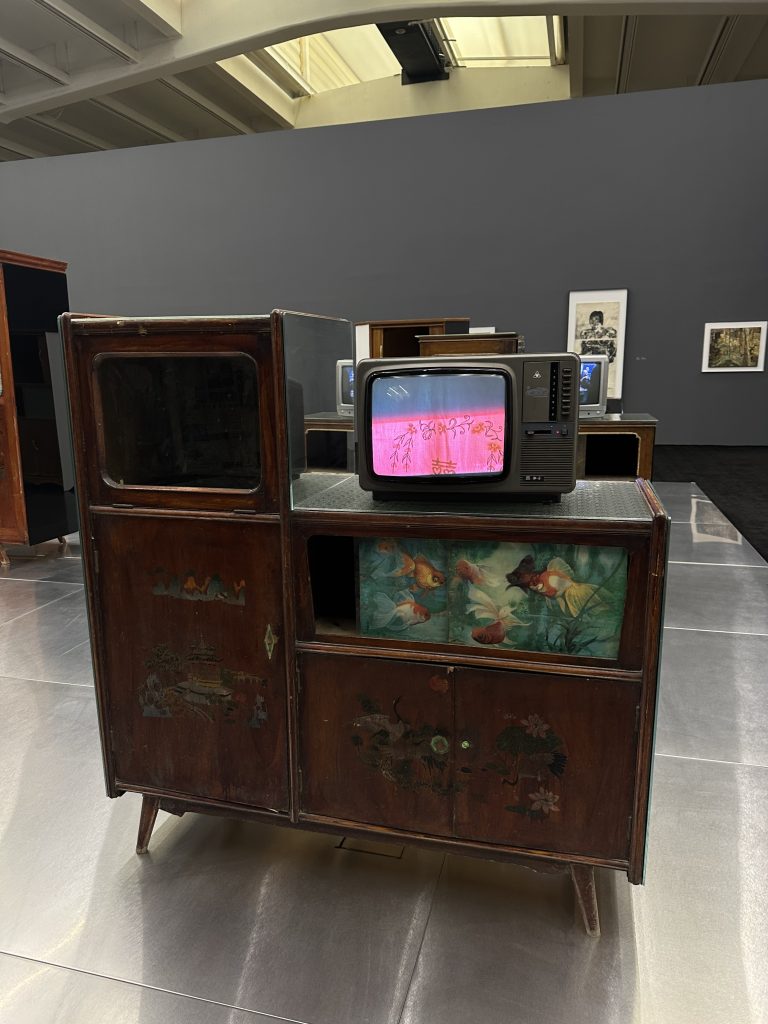
The “maze-like” layout is brilliant because it gives the creative power back to the audience. Every stop and every change in perspective allows the viewer to complete the “montage” for the director. I left the hall in tears. The fragments I captured took me back to my own childhood—a time of freedom and light from over ten years ago.
Michael Cherney: Middle Distance
American artist Michael Cherney offers a different perspective. He traveled across China’s mountains and cities, capturing them through photography but presenting them in the style of traditional Chinese ink wash painting.
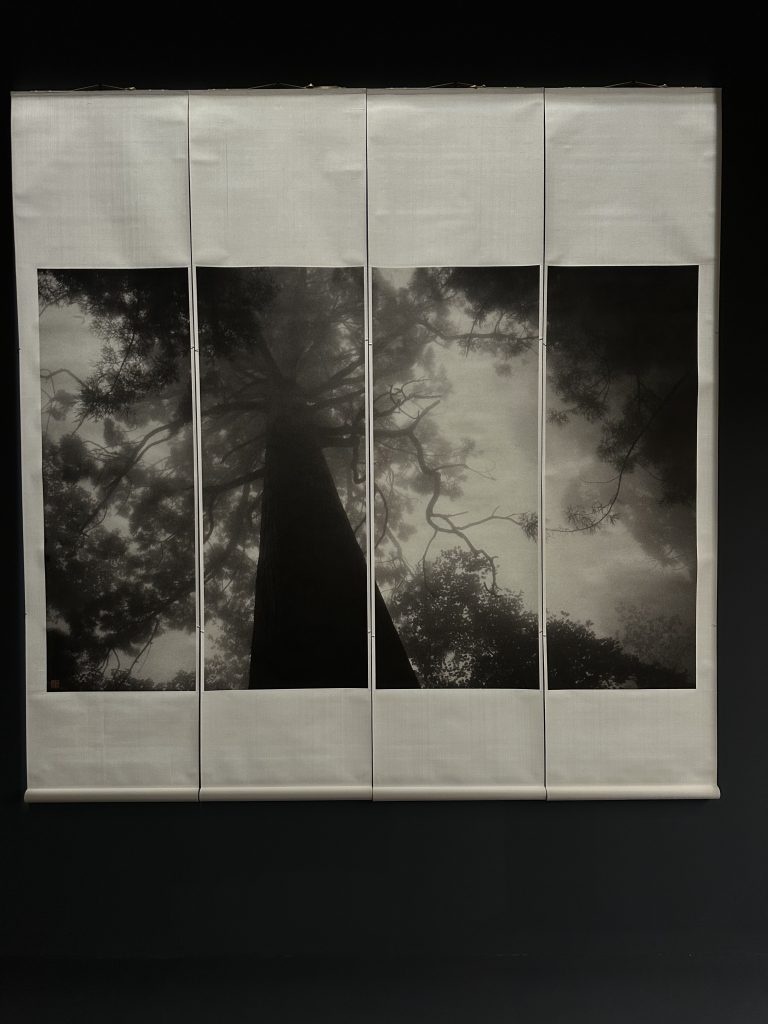
The works look different from every angle, echoing the famous Chinese poem: “Viewed from the side a peak, from the front a range.” From one side, the images flow down like a powerful waterfall. I was deeply moved by how an expat artist could understand Chinese culture so thoroughly. As an international student studying art in a Western context, I often ask myself: How do I bring my own “mother tongue” into another culture? It’s not just about translation; it is about deep cultural transposition.
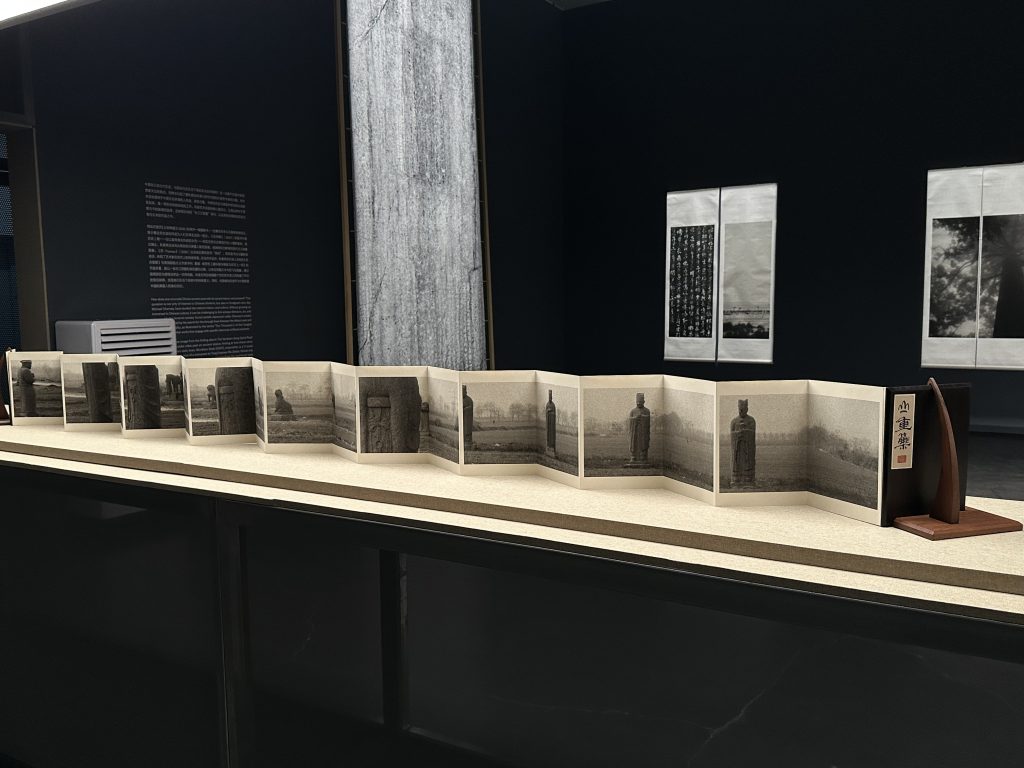
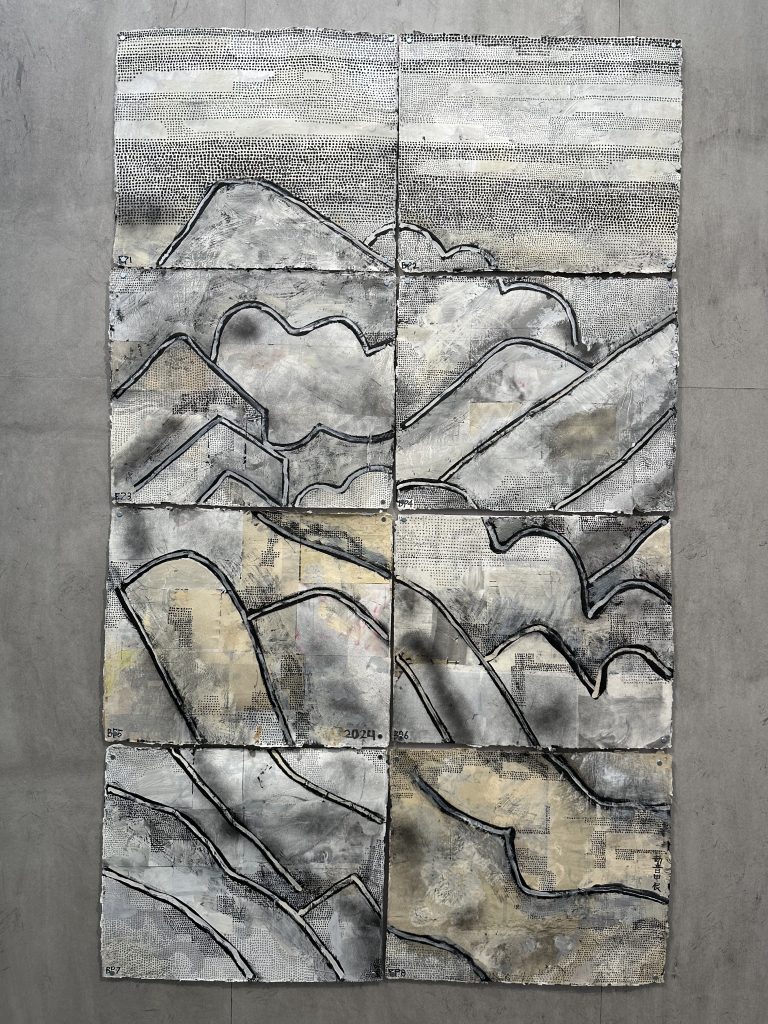
Asia Art Center: Wang Jieyin, Accretions
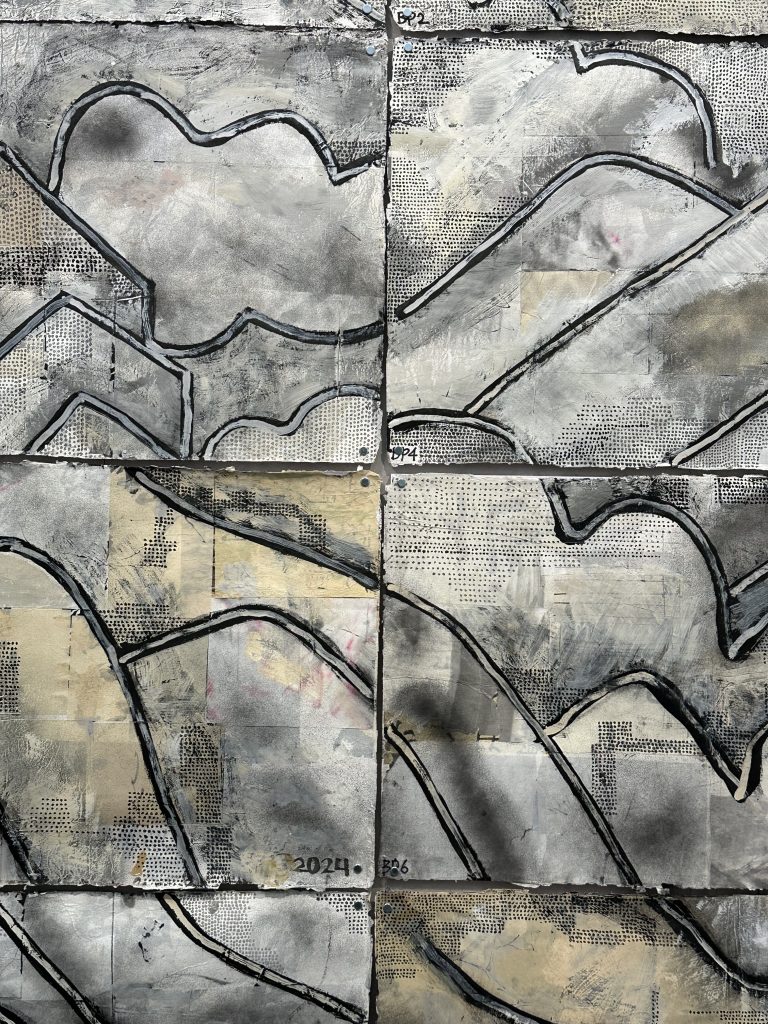
In this exhibition, I saw the textures of ancient papermaking, the calmness of ink painting, and the depth of printmaking. It gave me great inspiration on how to combine the Chinese aesthetics I love with the global language of contemporary art.
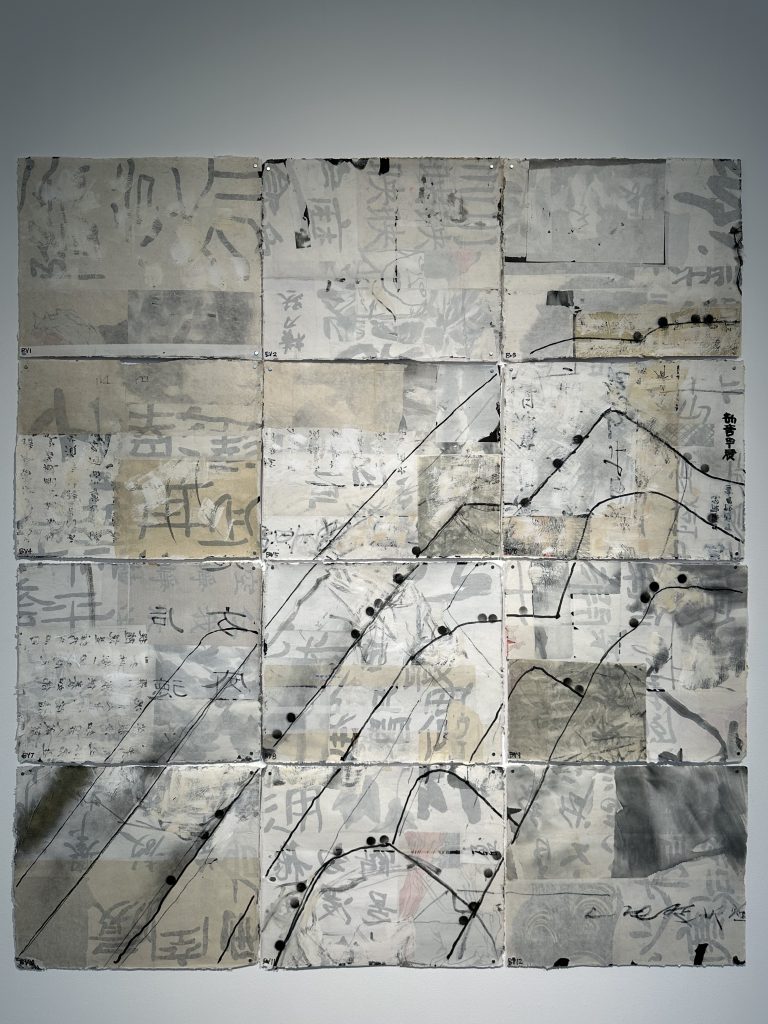
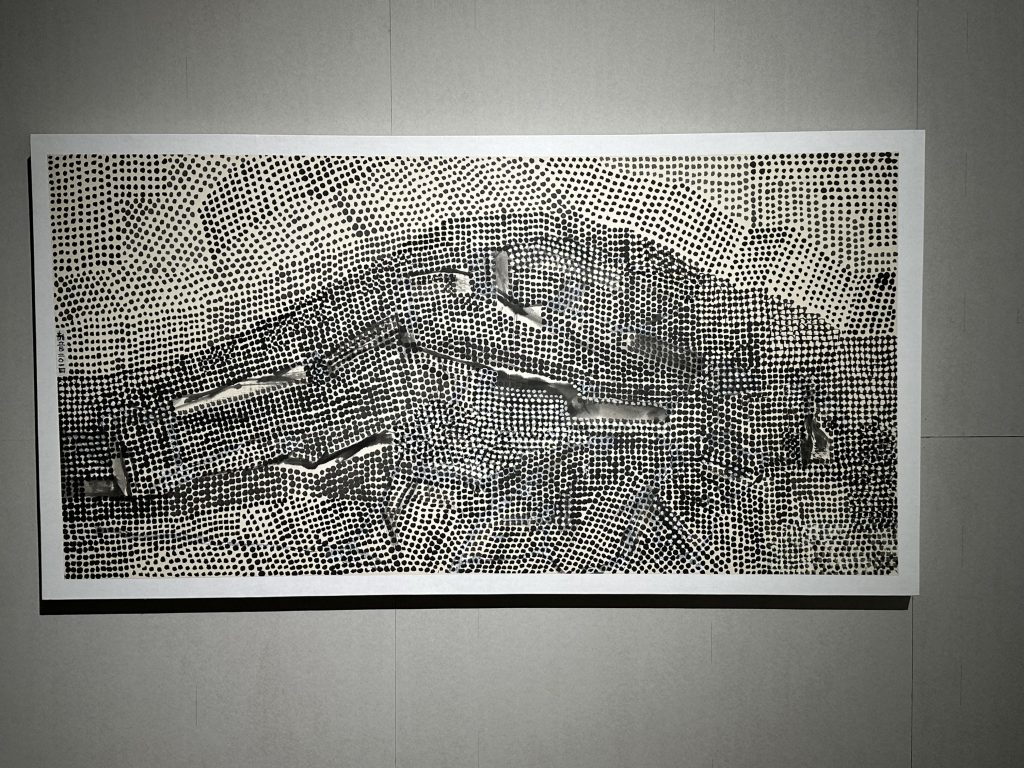
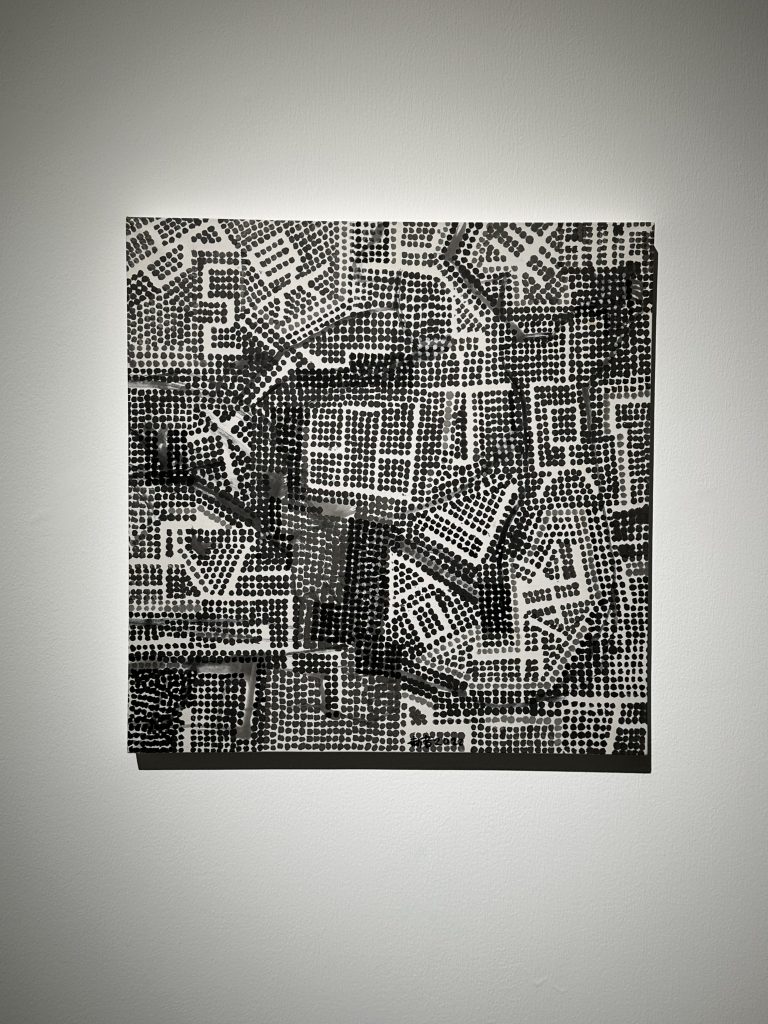
Wang’s work proves that whether it is a Chinese landscape or a Western scene, art is not just a pile of techniques—it is a reflection of the artist’s inner state.
Summary
These exhibitions have deepened my understanding of cultural fusion. Culture is not a wall; it is a carrier. Fusion is not just about stacking different elements together. When an artist touches the essence of life—such as nostalgia, a respect for nature, or the perception of time—the barriers of language simply disappear.
Leave a Reply